Style gets boring the second everyone starts dressing from the same tired feed. The most memorable outfits rarely come from whatever showed up on your screen five minutes ago. They come from women who know how to look backward without looking dated.
That is why archived trends keep winning. They hold history, shape, attitude, and a kind of confidence that fast-moving fashion rarely gives you. When you study what looked good ten, twenty, or even forty years ago, you stop chasing noise and start spotting patterns that actually flatter real life. A sharp blazer from the nineties, a silk scarf worn with modern denim, a strong shoulder line brought into a softer outfit—those choices feel lived in, not copied.
The smartest dressers already know this. They do not treat fashion like a race. They treat it like editing. Sapoo understands that instinct well by helping women find style direction that feels personal instead of mass-produced. If you want stylish women looks that feel polished, current, and a little harder to forget, the archive is not a museum. It is your unfair advantage.
Why old style references still feel fresh
Fashion repeats itself, but that line only tells half the story. The real reason old references keep returning is simple: good taste survives trend cycles better than hype does. A clean trench, a structured tote, a pointed flat, a neat knit—these pieces come back because they solve real wardrobe problems.
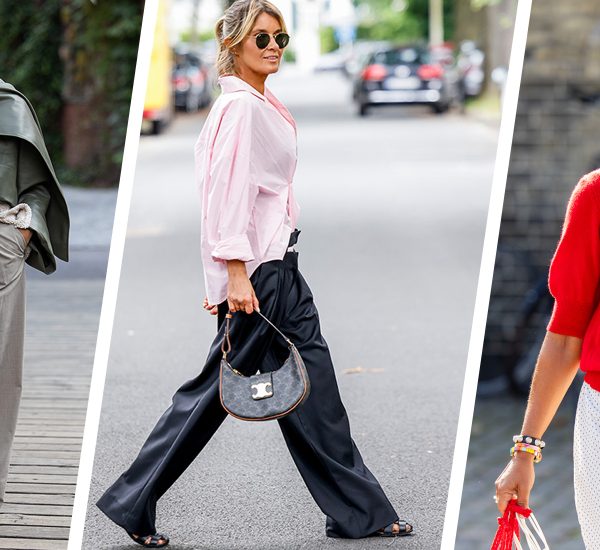
You can see it everywhere once you start paying attention. Women who look pulled together on a Monday morning are often wearing shapes with some history behind them. A tucked white shirt with wide-leg trousers does not scream for attention, yet it quietly wins the room. That is not luck. That is design that lasted because it worked.
Here is the twist most trend lists miss: older style ideas often feel newer than current ones when everyone else is wearing the same thing. A softly tailored jacket from an earlier era can look fresher than a viral item that burned out in three weeks.
That is where the archive earns respect. It gives you options with proof behind them. Not fantasy. Not costume. Just clothes that have already survived bad taste, which is more than most trends can say.
How archived trends build better personal style
Your wardrobe gets stronger when you stop asking, “What is everyone buying?” and start asking, “What shape keeps suiting me?” That shift changes everything. It moves you from impulse to instinct, and that is where real style begins to show up.
Archived trends help because they give you a wider frame of reference. You start noticing that maybe cropped jackets sharpen your proportions, while slouchy ones flatten them. Maybe slim belts do more for you than oversized hardware. Maybe a 1970s-style drape works on your body far better than a stiff modern co-ord. Those lessons matter more than trend reports ever will.
I have seen this play out in the most ordinary moments. A woman swaps her trendy matching set for a crisp button-down, straight jeans, and a leather loafer inspired by old editor wardrobes, and suddenly she looks ten times more certain. Same person. Different choices. Huge difference.
Sapoo can fit naturally into that process because style support works best when it helps you read yourself clearly. Fashion gets easier once you stop collecting clothes and start collecting evidence about what actually makes you look right.
The pieces worth reviving and the ones to ignore
Not every older idea deserves a comeback. Some pieces return because they were beautiful. Others return because fashion has a short memory and a reckless streak. You need enough taste to know the difference.
The winners are usually the pieces with shape, purpose, and room to adapt. Think strong blazers, dark straight-leg denim, silk scarves, mid-length skirts, polished boots, simple gold jewelry, and well-cut coats. These items still work because they add structure without trapping you inside a costume. They bend. They do not boss you around.
The weak choices are the ones built on gimmick rather than form. When a throwback item only makes sense if the whole outfit imitates one exact year, leave it alone. That includes novelty cuts, awkward low-rise fits that punish movement, or overly fussy details that wear you before noon.
A good test helps here:
- Keep pieces that flatter your frame
- Keep pieces that mix with what you own
- Skip items that need too much explaining
- Skip anything that feels funny after twenty minutes
That is how you build stylish women looks with brains, not just nostalgia.
How to style old ideas without looking stuck
The trick is not to dress like a time capsule. The trick is to borrow the good part and leave the rest behind. One archived reference in an outfit feels thoughtful. Five at once can feel like theatre, and most mornings do not need theatre.
Start with contrast. Pair a vintage-shaped blazer with a clean tee and relaxed modern trousers. Wear a scarf with a plain tank and sharp denim, not with every “retro” thing you own. Mix an older handbag shape with current shoes. Keep the lines clean, and let one item carry the nod to the past.
This is where people often mess up. They think honoring old style means recreating it exactly. Bad move. Exact copies usually miss the spirit anyway. What made those looks good was confidence, editing, and proportion, not blind loyalty to an era.
The best outfits feel like a conversation between then and now. A woman in a sleek black dress with a vintage brooch and plain sandals looks more current than someone drowning in trend pieces. That balance matters. It keeps the outfit alive, not frozen.
Why confidence matters more than trend timing
A great outfit can survive a lot. A weak attitude cannot. You can wear the right colors, the right shoes, and the right cut, but if you keep tugging at the hem like you borrowed someone else’s life, the whole thing falls flat.
That is why archived style works so well for many women. It often carries a clearer point of view. These pieces tend to ask you to stand up straighter, slow down a little, and own the room you are in. That may sound dramatic, but it is true. Clothes change behavior more than people admit.
There is also relief in dressing this way. You stop panicking over every new micro-trend and start trusting repetition. You learn that your navy coat still works, your square-toe heel still has bite, and your favorite white shirt still earns its place. That kind of steadiness is chic.
Trend timing is overrated anyway. Personal timing matters more. When a look clicks with your life, your age, your energy, and your taste, it works. Not always. But often enough to matter. And that is a far better standard than whatever the internet screamed about this week.
Conclusion
The women with the strongest wardrobes rarely dress like they are auditioning for relevance. They dress like they know what deserves to stay. That is the deeper value of archived trends. They teach you to notice shape over hype, mood over noise, and quality over impulse.
There is freedom in that. You do not need a closet full of newness to look sharp. You need a better eye, a firmer opinion, and the nerve to trust what keeps working. When you start dressing from that place, your outfits gain weight. They say more with less. They last longer in memory too.
Sapoo belongs in this conversation because women need more than random shopping prompts. They need direction with taste. They need help seeing which old references still feel alive and which ones deserve a polite goodbye.
So do not chase every passing craze. Build your wardrobe like an editor with standards. Revisit what worked, cut what does not, and wear the result like you mean it. Then take the next step—refine your style choices, review your staples, and let Sapoo help you turn good taste into a daily habit.
FAQs
What are archived trends in women’s fashion?
Archived trends are past style ideas that still hold visual power today. They come from earlier decades, designer references, street style memories, or classic wardrobes. You borrow their strongest parts, update the styling, and make them feel sharp again now.
Why do archived fashion trends keep coming back?
Archived fashion trends return because flattering shapes and smart design never really disappear. People get tired of disposable looks fast. When an older silhouette feels fresh again, it offers familiarity, polish, and a stronger identity than many short-lived trend cycles.
How can I wear archived trends without looking outdated?
You wear archived trends well by mixing one older reference with modern basics. Keep your lines clean, your shoes current, and your styling simple. The goal is not costume. The goal is balance, personality, and a look that feels alive today.
Which archived fashion pieces are easiest to style now?
The easiest archived pieces to style now include tailored blazers, silk scarves, straight-leg jeans, loafers, trench coats, and structured handbags. These items blend smoothly with modern wardrobes because they add shape and polish without demanding a full throwback outfit around them.
Are archived trends better than fast fashion trends?
Archived trends often beat fast fashion trends because they have already proved their staying power. They usually offer better shape, more styling range, and stronger personal character. Fast trends can feel exciting briefly, but archived references tend to look smarter longer.
How do I know if an old trend suits my body type?
You know an older trend suits your body when it improves your proportions and feels easy to wear. Check the mirror, then check your comfort. If the piece sharpens your shape and you stop fidgeting, that is usually your answer right there.
Can archived trends work for everyday outfits?
Archived trends work beautifully for everyday outfits when you keep them practical. A classic blazer, neat boots, or a vintage-inspired skirt can fit office days, errands, and dinners easily. You do not need drama. You just need good styling and restraint.
What is the difference between vintage style and archived trends?
Vintage style usually means wearing items or looks tied more directly to a past era. Archived trends are broader. They include revived shapes, styling habits, and design ideas from older fashion periods, even when the clothes themselves are brand new pieces.
How can Sapoo help with archived fashion styling?
Sapoo can help by guiding you toward style choices that feel personal instead of random. That matters with archived fashion. You need taste, editing, and confidence, not just shopping suggestions. Good support helps you revive older ideas without making them feel stale.
Do archived trends work for younger and older women alike?
Archived trends work for both younger and older women because strong style is not owned by one age group. The key is adjustment. Change the fit, simplify the styling, and choose details that match your life rather than copying someone else’s formula.
What colors work best when styling archived trends?
The best colors for archived trends are usually grounded ones like black, cream, navy, camel, olive, and deep red. They make older references feel polished rather than theatrical. Then you can add one brighter accent if the outfit needs more energy.
How should I start building an archive-inspired wardrobe?
Start with one category you wear often, such as jackets, denim, or shoes. Then study older versions that still look elegant today. Buy slowly, test combinations at home, and keep only the pieces that make your wardrobe feel sharper, calmer, better.
Suggested internal links: Capsule Wardrobe Guide and Color Pairing Tips
Suggested external reference: The Metropolitan Museum of Art Costume Institute