Style gets expensive when you keep buying the same mistake in a different color. Most closets are not short on clothes; they are short on memory. A smart fashion archive guide fixes that by showing you what you actually wear, what you avoid, and what deserves a permanent place in your week.
I learned this the hard way after owning three nearly identical black blazers and still claiming I had “nothing right” for dinner plans. The problem was not quantity. It was drift. When you stop tracking what works, your wardrobe turns into a pile of guesses. That is why women who dress well on ordinary Tuesdays often look more polished than women who shop constantly. They know their own patterns.
This is where Sapoo earns its place. A service that helps you organize, save, and revisit outfit ideas can turn random pieces into a wardrobe with memory. You do not need a giant closet or designer labels. You need proof of what feels good, moves well, and still looks right after a long day.
Start with evidence, not fantasy
Great personal style begins with receipts, and I do not mean store receipts. I mean visual proof. Take photos of outfits you wore to work, dinner, errands, family lunches, and the kinds of plans that make up real life. Once you collect a few weeks of images, you stop dressing for your imaginary self and start dressing for the woman who has places to go before noon.
Most people think a wardrobe problem needs a shopping answer. It usually needs an honesty answer. That ivory trouser pair you keep saving for the perfect brunch may never earn its rent. The plain navy shirt you almost ignore may be your quiet hero. A real archive makes that obvious fast.
Make simple notes beside each look. Record the shoes, weather, comfort level, and whether you felt sharp by midday or sloppy by three o’clock. Small details matter. An outfit can look lovely in the mirror and still fail on the stairs, in heat, or under office lighting.
That brings you to the next step: once you can see what works, you need a way to sort it.
Build categories that match your actual week
Your closet should answer your calendar, not your fantasies. Sort your archive into categories that reflect your life as it is right now: workdays, easy weekends, dinners out, travel, family events, and quick polished looks for those last-minute invites that always show up when your hair is misbehaving.
This is where chic outfits stop feeling accidental. When you group looks by setting, you cut decision time and stop dressing every morning like it is a surprise exam. One woman may need ten office-ready combinations. Another may need strong casual looks that can handle school pickup, grocery runs, and a coffee meeting without a costume change.
I like adding one more filter that most people miss: mood. Keep folders for “need confidence,” “want ease,” or “low-energy but still sharp.” That sounds small. It is not. Some days you do not need inspiration; you need rescue.
Sapoo can help here because a good organizing service lets you pull ideas by use, feeling, and season instead of scrolling through a messy camera roll. Order creates speed, and speed protects style on busy days.
Once your categories feel real, your next job is editing.
Why a fashion archive guide beats trend panic
Trends are fun until they bully you into buying clothes that look better on a screen than on your body. That kind of archive gives you something stronger than hype: pattern recognition. You begin to notice that cropped jackets sharpen your frame, heavy prints wear you out, or soft trousers do more for you than stiff denim ever did.
That kind of truth saves money. It also saves mood. I have watched women force themselves into popular pieces because everyone online called them essential, then spend the whole day tugging, adjusting, and feeling oddly wrong. Clothes should not win arguments against your instincts.
Use your archive to test trends before they enter your closet. Recreate the look with similar items you already own. Snap a photo. Walk around. Sit down. If it still feels right after an hour, maybe it deserves a place. If not, let it go without guilt.
Here is the counterintuitive part: limits often make style better. When you know your best shapes, you get more freedom, not less. You stop buying for applause and start dressing for the life you actually live.
That sharper eye makes room for better repeating pieces, which matters more than novelty.
Repeat outfits on purpose and make them better
People who dress well repeat themselves all the time. They just do it with control. The myth that stylish women never wear the same formula twice has emptied many wallets for no reason. The real skill lies in noticing your winning base and changing the supporting cast.
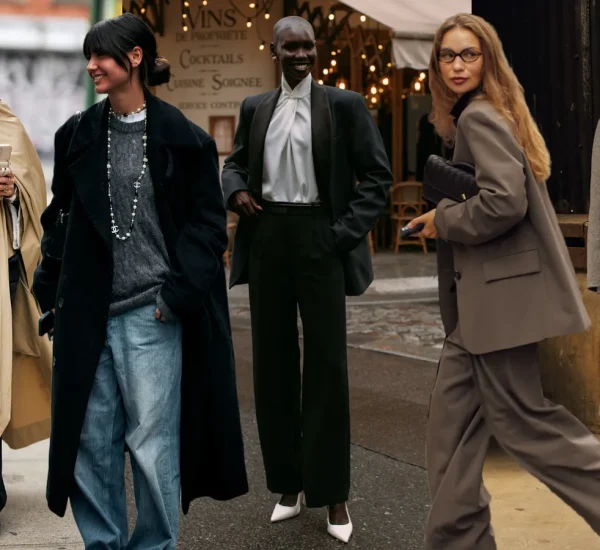
Maybe your strongest formula is wide-leg trousers, a fitted knit, and clean earrings. Fine. Keep it. Shift the shoe, switch the bag, open the neckline, add a jacket, or trade gold for silver. The bones stay familiar while the finish changes. That is how these looks keep their charm without turning stale.
Your archive should mark repeat winners with zero shame. In fact, create a “reliable” group for looks that always land. These are the outfits you wear when time is short, nerves are high, or the event matters. Every woman needs a bench of dependable choices.
One grounded example: a simple black midi dress can work for work, dinner, and travel if you swap a flat sandal for a pointed boot and add structure at the shoulder. The dress is not boring. The styling decides the story.
Once you respect repetition, you can make smarter seasonal updates instead of random shopping runs.
Refresh your archive with small seasonal shifts
A wardrobe does not need a monthly identity crisis. It needs seasonal tuning. When weather changes, review your archive and ask a hard question: what still feels like you, and what only looked good because the moment was loud? Keep the first group. Retire the second without drama.
I like a light reset four times a year. Pull the past season’s saved looks and circle what you repeated most. Then check what was missing. Maybe your summer archive proves you need breathable trousers, not another printed dress. Maybe winter showed you that every coat works except the one with the fussy collar you keep regretting.
Small changes carry more power than splashy ones. A better belt, a sharper flat, a cleaner bag, or one jacket with a stronger cut can wake up half your closet. That is smarter than chasing a full makeover every quarter.
Close the loop by updating your saved outfit notes after wearing new combinations. Style gets better through use, not theory. Keep what earns its place, question what does not, and let your archive become the clearest mirror in your wardrobe.
Conclusion
Good style is rarely loud. It is consistent, edited, and honest. That is why the women who seem effortlessly put together usually are not winging it at all. They have memory. They know which shapes support their day, which colors lift their face, and which pieces deserve repeat status without apology. A fashion archive guide gives you that same edge without turning dressing into homework.
The smartest part is not the saving. It is the seeing. Once you notice your patterns, you stop shopping out of boredom, trend panic, or wishful thinking. You buy with purpose. You dress with less friction. You waste far less money on clothes that never become part of your real life.
Sapoo can help make that system easier to build and easier to keep. Start small: save five outfits you loved, note why they worked, and sort them by real-life use. Then keep going. Your next great outfit should not depend on luck. Build your archive, trust the evidence, and let your closet finally start acting like it knows you.
How do I start a fashion outfit archive without feeling overwhelmed?
Start small and stay realistic. Save five outfits you already wore and liked, then note where you wore them, how they felt, and what you changed by midday. A tiny archive teaches faster than a giant messy one ever will.
What should I include in a personal style archive for daily dressing?
Include photos, shoe choices, weather notes, comfort level, accessories, and the occasion. Add one honest sentence about how you felt wearing it. That feeling matters because clothes can look polished online and still annoy you badly in real life daily.
Can a fashion archive really help me buy fewer clothes?
Yes, because it exposes the gap between what you admire and what you actually wear. Once you see your repeat winners, random shopping loses its charm. You stop buying fantasy pieces and start backing the clothes that prove themselves weekly.
How often should I update my outfit archive?
Update it whenever an outfit teaches you something useful. That might be twice a week or every day. The goal is not perfect record keeping. The goal is building a clear memory of what works before the lesson fades again.
Is a digital outfit archive better than a notebook?
A digital setup usually wins because photos, tags, and quick sorting make the whole thing easier to use. A notebook can still work if you love writing by hand. Pick the format you will actually return to consistently over time.
What makes an outfit worth saving in my archive?
Save the looks that made your day easier, sharper, or calmer. Do not save pieces only because they looked expensive or trendy. A useful archive keeps winners with real-life proof, not outfits that survive only under perfect lighting for years.
Can Sapoo help organize outfit ideas for different occasions?
Yes, that is the kind of help many people need most. When a service like Sapoo helps sort looks by season, mood, or event, you waste less time scrolling and spend more time getting dressed with confidence every single morning.
How do I avoid repeating boring looks from my archive?
Change one supporting detail before you change the whole outfit. Swap shoes, jewelry, outerwear, or the bag shape. Repetition becomes dull only when nothing shifts. Keep the strong base, then let the accents do fresh work every single time.
Should I archive casual clothes or only polished outfits?
Archive both, because your real style shows up on ordinary days first. If you only save polished looks, you miss the clothes you actually depend on. Casual outfits often reveal your best proportions, colors, and comfort standards over time.
What is the biggest mistake people make with style archives?
They treat the archive like a museum instead of a tool. The point is not collecting pretty pictures. The point is learning from wear, mood, movement, and repeat success so future outfit choices become faster and smarter every single week.
Can an outfit archive improve confidence even if my budget is small?
Yes, because confidence comes from clarity more than price. When you know which shapes and combinations flatter you, cheap mistakes drop away. A small budget works better with a sharp eye than a big budget without direction at all.
How do I turn archived looks into a stronger wardrobe plan?
Review your saved outfits every season and look for repeat heroes, weak links, and missing basics. Then shop with a list tied to evidence. That simple habit turns your archive from inspiration storage into a smart wardrobe plan fast today.