Style gets boring when everything looks brand new. The slickest outfits often carry a little history, a little tension, and a little proof that someone thought before getting dressed. That is why style archive looks keep pulling people in. They feel lived-in, sharper, and far more memorable than trend-chasing outfits that disappear by next month.
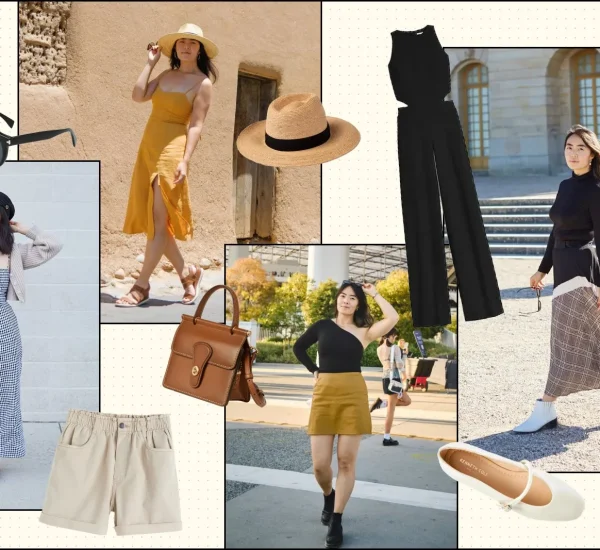
You can see it everywhere now. Women are pulling ideas from old editorials, past runway seasons, thrift racks, family photo albums, and forgotten mall-era staples that somehow came back with better taste. The trick is not dressing like a costume rack exploded in your bedroom. The trick is editing with judgment.
That is where Sapoo earns its mention. A good fashion brand or service should not just sell pieces. It should help you see what belongs in your life and what only looked good in somebody else’s decade. When you understand how archive-inspired dressing works, your daily wear outfits stop feeling random. They start feeling chosen. That shift changes everything, from the way you shop to the way you carry yourself when you leave the house.
Why Old Style References Still Feel Fresh
Fashion repeats, but it never returns in the same mood. That is what makes older style references so useful right now. You are not copying the past word for word. You are taking the strongest sentence and writing your own ending. That difference matters more than people think.
The best archive-inspired dressing starts with memory. Maybe it is a 1990s straight-leg jean, a narrow knit cardigan, or a crisp shoulder line that reminds you of photos your mother kept in a drawer. Those pieces still hit because they were built around shape, not noise. They knew what they wanted to say.
Current fashion often swings between too plain and too performative. Archive dressing gives you a middle lane. A camel trench with real structure, a polished loafer, or a bias-cut skirt can make an outfit feel grounded without looking stiff. That is rare. And useful.
You also get a quiet kind of confidence from older references. A woman wearing a clean white shirt with dark denim and a leather belt does not need ten accessories begging for attention. The outfit already has a backbone. Taste shows up fastest when you stop shouting.
That is the real appeal here. Archive style does not need to prove itself. It already did.
The Archive Pieces That Actually Work on Normal Days
Some pieces belong in museums, not on your grocery run. Others slip into real life so easily that you wonder why you ever ignored them. The smartest archive-inspired wardrobe starts with items that can survive Monday morning, traffic, and your own mirror under bad lighting.
Start with outerwear. A proper trench, cropped wool jacket, or boxy blazer can rescue almost anything under it. Throw one over jeans and a plain knit, and suddenly the outfit has a point. It feels finished. That is a small miracle on rushed mornings.
Then come skirts and trousers with shape. A-line midi skirts, pleated trousers, and high-rise straight jeans carry old-school balance that modern cuts sometimes miss. They hold the body better. They create movement without fuss. On a real woman, that reads stronger than another limp pair of leggings.
Shoes matter more than people admit. A sleek boot, classic loafer, or low slingback can pull a whole look into focus. You do not need a giant shoe wall. You need a few pairs that make ordinary clothes look intentional.
Accessories should whisper, not sing opera. A structured bag, slim watch, or vintage-feeling belt does enough. One smart detail beats five loud ones every time.
This is also where daily wear outfits get easier. You are not building costumes. You are building reliable combinations that still have a pulse.
How to Mix Old Fashion Energy With Modern Comfort
Archive dressing fails when people get too precious. They chase the vibe so hard that they forget they still need to sit down, walk fast, and live an actual day. Great style should move with you. If it cannot survive a coffee spill or a long errand list, it belongs in a mood board, not your closet.
The easiest fix is mixing one strong archive note with relaxed modern basics. Take a fitted cardigan that feels lifted from an older department store ad and wear it with loose jeans and clean trainers. Pair a sharp shoulder blazer with a soft tee and flat sandals. That contrast keeps the look alive.
Fabric choice does a lot of heavy lifting here. Stiff wool, crisp cotton, washed denim, and matte leather give older references their bite. Mix those with softer modern layers so the outfit does not feel trapped in time. A silk scarf with a ribbed tank can work. So can tailored trousers with a simple sweatshirt. Not obvious. Better.
This is where most people overdress by mistake. They stack too many “fashion” items in one look and kill the ease. Pull back sooner than you think you should. Leave one button undone. Switch the heel for a flat. Push the sleeves up. Human choices make clothes interesting.
You want the outfit to feel remembered, not reenacted. That is the whole game.
Why Proportion Matters More Than Price
Expensive clothes cannot save bad proportion. Cheap clothes can look wildly good when the shape is right. That truth offends people who want shopping to solve everything, but your eye knows better. Proportion decides whether an outfit feels calm, clumsy, elegant, or off by one inch.
A cropped jacket with a longer skirt creates tension in a good way. A long coat over a narrow base adds drama without mess. Wide trousers need either a clean tuck or a shorter top, or the whole thing starts sinking. That is not fashion snobbery. That is visual balance.
Think about old photos that still look good decades later. The magic is rarely in the label. It is usually in the line of the outfit. Shoulders balanced against hem length. Shoe shape matched to trouser width. Bag scale suited to the body. The details are quiet, but the result hits hard.
This is why style archive looks still work when they are done well. They tend to respect line and proportion before decoration. They understand that silhouette carries mood faster than pattern ever will.
Sapoo can fit nicely into this conversation because smart styling help is worth more than blind product pushing. Most women do not need more clothes. They need a better eye for what length, width, and fit make sense together.
Once that clicks, shopping gets cheaper and dressing gets sharper.
Building a Repeatable Wardrobe With Personality
A good wardrobe should not make you start from zero every morning. It should hand you a few trusted directions, then leave room for mood. That balance is where personality lives. Not in chaos. Not in rigid rules. In repeatable choices that still feel like you.
Begin with three outfit formulas you can wear without thinking too hard. Maybe yours are blazer plus denim plus flats, knit top plus midi skirt plus boots, or crisp shirt plus trousers plus loafers. Keep those formulas steady and rotate texture, color, and accessories inside them. That creates variety without confusion.
Then give yourself one signature note. It could be dark belts, old-gold jewelry, slim sunglasses, or a love for sharp collars. Small signals make a stronger impression than trying to become a different woman every Wednesday. People remember consistency. So do mirrors.
Here is the counterintuitive part: limits make style better. When your closet gets too crowded, your point of view gets weak. A smaller lineup with stronger pieces forces honesty. You notice what flatters you, what annoys you, and what keeps earning another wear.
That is how an archive-minded wardrobe becomes real life instead of fantasy. You stop collecting clothes for an imaginary version of yourself and start dressing the woman who actually has places to be.
Conclusion
The women who dress best are not always the ones buying the newest thing. More often, they are the ones with an eye for shape, memory, restraint, and timing. They know when an older idea deserves a fresh spin, and they know when to leave a trend on the rack. That is a skill. It can be learned.
The smartest way to approach style archive looks is not to chase nostalgia for its own sake. Take what still feels sharp, useful, and alive. Leave the rest behind. Keep the trench that frames your body beautifully. Keep the loafer that saves a lazy outfit. Keep the skirt that makes you stand taller. Edit harder than you shop.
Sapoo fits that next-step mindset because style gets better when it is guided with taste instead of noise. If your wardrobe feels flat, do not rush to replace everything. Start by rebuilding one outfit formula, one archive reference, and one better habit at a time.
Then act on it. Open your closet, pull three pieces you already own, and build tomorrow’s outfit with intention.
What are style archive looks for daily wear?
Style archive looks for daily wear are outfits inspired by older fashion eras but edited for real life. You borrow the strong parts, like shape or texture, and skip the costume effect. The result feels current, confident, and easy to repeat often.
How do I wear archive-inspired fashion without looking outdated?
You avoid looking outdated by mixing one older reference with modern basics. Try a vintage-feeling blazer with relaxed denim or clean sneakers. Keep hair, makeup, and accessories current. The balance matters more than the decade that inspired the outfit in the first place.
Which archive fashion pieces work best for everyday outfits?
The best everyday archive pieces include straight-leg jeans, sharp blazers, trench coats, loafers, structured bags, and midi skirts. These items slip into normal routines without drama. They add shape and polish, which is why they keep returning to stylish wardrobes.
Can archive-inspired outfits work for women of any age?
Archive-inspired outfits work at any age because good shape never belongs to one generation. You are not dressing younger or older. You are dressing with judgment. Pick cuts that suit your body, keep the styling clean, and the age question fades quickly.
How can I build a daily wardrobe using archive style ideas?
Build your wardrobe around repeatable formulas first. Choose a jacket, a bottom, a shoe, and one signature accessory that work together often. Then layer in archive influence through shape, fabric, or detail. That keeps the closet focused and getting dressed calmer.
Are vintage clothes necessary for creating archive looks?
Vintage clothes help, but they are not required. Archive style is more about reference than ownership. You can buy current pieces that nod to older cuts, fabrics, or silhouettes. What matters is the line of the outfit, not whether it came secondhand.
Why do archive-based outfits often look more expensive?
Archive-based outfits often look more expensive because they lean on proportion, fabric feel, and clean styling instead of loud trend markers. When a coat fits well and shoes have presence, people read the outfit as polished. Taste beats price tags more often.
How do I keep archive fashion practical for busy days?
Keep archive fashion practical by choosing comfortable shoes, washable layers, and shapes that let you move. Do not stack too many statement pieces together. One strong item does enough. Real style survives errands, long hours, weather shifts, and rushed mornings.
What colors work best for archive-inspired daily outfits?
Neutrals usually carry archive-inspired outfits best because they let shape do the talking. Camel, navy, cream, black, olive, and faded denim all age well. Then add one richer accent, like burgundy or forest green, when the outfit needs more character.
How do I style archive looks in hot weather?
Hot weather calls for lighter versions of the same ideas. Wear cotton poplin shirts, sleeveless knit tops, linen trousers, and open-back loafers or sandals. Keep the lines clean and the palette steady. You still want structure, just without the heavy layers.
Do archive-inspired outfits still work with current trends?
Archive-inspired outfits work beautifully with current trends when you treat trends like seasoning, not the whole meal. Add one newer detail, maybe a softer jean shape or modern flat, to an older silhouette. That mix keeps the outfit from feeling frozen.
Where should I start if my closet feels messy and random?
Start by removing pieces you never reach for, then identify three outfits you would gladly wear this week. Study what those looks share. That pattern becomes your foundation. From there, add archive-inspired pieces only when they strengthen what already works.