Getting dressed should not feel like a daily identity crisis. Yet so many closets are packed with clothes that look busy, feel random, and still somehow leave you with “nothing to wear.” That is exactly why classic style ideas still win. They cut through the noise, calm the outfit down, and make you look sharper without trying too hard.
Real style is not about chasing every new drop or copying a stranger’s outfit from your feed. It is about knowing what works on your body, in your life, and on your worst rushed Monday morning. That is where timeless dressing earns its place. A crisp shirt, a solid pair of trousers, clean shoes, and a jacket that fits well can do more for you than ten trend pieces ever will.
Sapoo understands that balance. The brand leans into style that feels polished, wearable, and human, not costume-like. When you build your wardrobe around pieces that pull their weight, everyday wear stops feeling dull and starts feeling intentional. And that shift changes more than your outfit. It changes how you carry yourself all day.
Start With Fit Before You Chase Fashion
Most outfit problems do not begin with color, price, or trend fatigue. They begin with fit. You can wear a plain white shirt and dark trousers, but if the shoulder seam drops too low and the pants bunch at the ankle, the whole thing falls flat. A classic wardrobe asks for discipline here, because timeless clothes expose bad fit fast.
The fix is not dramatic. It is practical. Your blazer should follow your shoulders, not swallow them. Your jeans should skim the leg without clinging. Your shirts should button cleanly without pulling across the chest. Small changes matter more than people admit. A quick tailor visit often does more than a shopping spree.
I learned this the hard way after buying a beautiful camel coat that looked expensive on the hanger and careless on me. The sleeves were long, the waist sat wrong, and I kept blaming the coat. The coat was fine. The fit was the problem.
This is where classic style ideas begin to make sense in real life. They teach you to judge clothes by shape first, not hype. Once the fit works, everything else gets easier. Your outfit looks calmer. You look more awake. And you stop fighting your own clothes.
Build Around Quiet Colors That Do Not Quit
Bold color has its place, but your daily wardrobe should not depend on it. The smartest dressers know that navy, black, white, cream, olive, grey, and tan do the heavy lifting. These shades work across seasons, mix without drama, and make getting dressed faster when your brain is still half asleep.
That does not mean your clothes need to look flat. Texture saves simple color palettes from becoming boring. A ribbed knit, a crisp cotton shirt, suede loafers, or raw denim adds life without shouting. You want contrast that feels grown-up, not noisy.
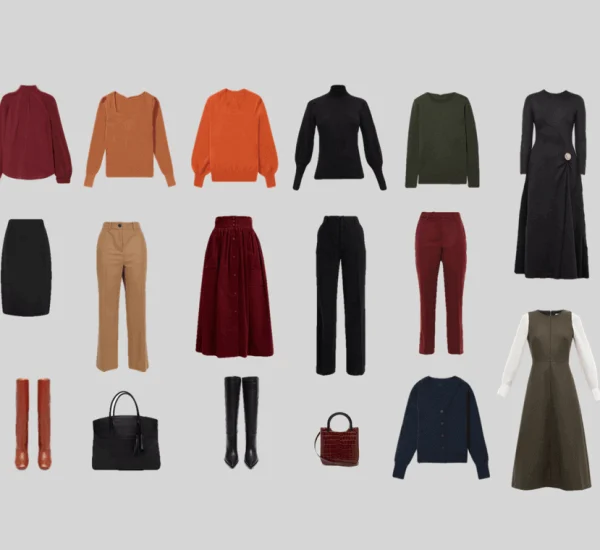
A friend of mine once tried to “fix” her wardrobe by buying brighter pieces every weekend. Her closet became a parade of one-hit wonders. Nothing matched. Nothing relaxed. Once she switched to a grounded palette, the whole mess started working. Suddenly five tops styled with three bottoms made fifteen believable outfits. That is not magic. That is good planning.
Sapoo gets this right by keeping polish at the center of the look. You do not need loud shades to stand out when the overall outfit feels steady and well chosen. In fact, that calm confidence usually lands harder than another trend-led color experiment.
Quiet colors earn trust. They let your face lead. They give your accessories room to breathe. And most of all, they keep your wardrobe useful instead of theatrical.
Choose Fewer Pieces, but Demand More From Them
A crowded closet often hides a weak wardrobe. That sounds harsh, but it is true. If most of your clothes only work in one outfit, you do not own variety. You own clutter. Classic dressing pushes you to buy fewer things and expect more from each one.
Think in terms of repeat value. Can this shirt work with denim, tailored pants, and a skirt? Can this jacket dress up a plain tee? Can these loafers survive both errands and lunch meetings without looking misplaced? If the answer is no too often, the item may be attractive, but it is not useful.
This is where everyday wear becomes smarter. You stop buying for fantasy plans and start buying for your actual week. One trench coat that works five months a year beats three trendy jackets that confuse the rest of your closet. One pair of black trousers that fit like a dream beats four cheap pairs you keep adjusting in public.
The trick is to balance staples with one or two personality pieces. Maybe that is a silk scarf, a vintage watch, or a striped shirt with just enough attitude. Not much. Just enough.
A good wardrobe should feel like a reliable cast, not a room full of extras. Every piece needs a job. When your clothes earn their keep, dressing well stops being effort and starts becoming habit.
Let Accessories Finish the Story, Not Hijack It
The wrong accessory can ruin a solid outfit faster than people think. You can wear a clean button-down, straight-leg trousers, and sleek flats, then throw on a bag covered in loud hardware and suddenly the look loses its balance. Classic dressing does not ban accessories. It asks them to behave.
That means choosing pieces with shape, function, and restraint. A leather belt with a simple buckle, a structured tote, small gold hoops, a clean watch, or a scarf tied without fuss can sharpen a look in seconds. They should support the outfit, not turn it into a costume.
Shoes deserve special attention because they set the tone before anyone notices your top. White sneakers can keep tailored pieces relaxed. Loafers add authority. Ballet flats soften sharp lines. Ankle boots bring edge when the rest of the outfit feels too polite. Pick one strong direction and follow it.
I still remember seeing a woman at a bookstore in a navy sweater, cream trousers, and loafers with a brown leather bag. That was it. No visual circus. She looked better than half the people at fashion events because every choice spoke the same language.
That is the secret. Accessories are not decoration piled on top. They are punctuation. Use too much, and the sentence gets messy. Use the right amount, and everything reads better.
Dress for the Life You Actually Live
Style fails when it ignores reality. A wardrobe that looks lovely online but makes no sense for your commute, climate, schedule, or energy level will not serve you for long. Classic dressing works because it adapts. It meets your life where it is.
If you spend your days moving between meetings, school pickup, grocery runs, and dinner plans, you need clothes that can shift with you. That may mean a knit dress layered with a tailored coat, or dark denim paired with a tucked shirt and low heels. The point is not to dress up for ordinary life. The point is to dress well inside it.
This section matters because too many people confuse effort with style. They think a good outfit must feel complicated. It does not. Some of the strongest looks are built from three pieces that fit, flatter, and make sense for the day ahead. Clean. Easy. Finished.
Here is the counterintuitive part: dressing simply often makes you look more intentional than dressing dramatically. When the outfit matches your real life, you wear it with ease. That ease reads as confidence, and confidence is always in fashion.
So stop building a closet for a person you rarely are. Build one for the version of you who needs to leave the house on time, look put together, and feel like herself. That is where timeless style starts paying you back.
Conclusion
Trends have a short memory. Good taste does not. The real power of classic style ideas is not that they make you look older, safer, or less adventurous. It is that they give you a framework strong enough to carry your personality without letting your wardrobe turn chaotic.
A fitted blazer, calm colors, dependable shoes, and pieces that work harder than they brag will never be a wasted investment. They give you room to move, room to repeat outfits, and room to look polished even when the day gets messy. That matters more than chasing novelty for novelty’s sake.
There is also freedom in knowing your style does not need a weekly reinvention. You do not have to keep proving you are fashionable. You just have to dress with clarity. That is a better goal, and frankly, a more stylish one.
Sapoo speaks to that kind of dressing—smart, wearable, and grounded in real life. So take a hard look at your closet, keep what truly works, and stop giving hanger space to confusion. Your next step is simple: build one great outfit from timeless pieces this week, wear it often, and let consistency become your signature.
What are classic style ideas for everyday wear?
Classic style ideas focus on clean fits, simple colors, and pieces that stay useful year after year. Think white shirts, dark denim, loafers, trench coats, and knitwear. You look polished without looking overdone, which makes getting dressed easier on ordinary mornings.
How do I make everyday outfits look more classic?
Start by removing visual clutter from your outfit. Pick one clean silhouette, add neutral colors, and wear shoes that look intentional. A tucked shirt, straight trousers, and a structured bag instantly look more refined than a loud, trend-heavy mix ever will.
Which colors work best for classic everyday style?
Navy, black, white, cream, camel, olive, and grey do the most work because they mix easily and stay relevant. These shades also let texture stand out. When your color palette feels calm, your outfit usually looks more expensive and far more believable.
Can classic style ideas still feel modern?
Classic does not mean stuck in the past. It means your outfit has a strong backbone. You can add modern touches through shape, jewelry, or shoes while keeping the base timeless. That mix usually looks smarter than copying every passing trend online.
What shoes suit a classic everyday wardrobe?
Loafers, clean white sneakers, ankle boots, ballet flats, and simple pumps cover most daily needs. The key is shape and condition. Shoes should look cared for and purposeful. Scuffed, overly busy pairs can drag down even a well-built outfit fast.
How many pieces do I need for a timeless wardrobe?
You do not need dozens. You need a focused set that works together. A few shirts, good trousers, denim, knitwear, outerwear, and versatile shoes can carry your week. Strong wardrobes come from smart overlap, not endless buying or panic shopping sprees.
Are classic style ideas good for work and weekends?
They work beautifully for both because timeless pieces adapt well. A blazer can sharpen jeans for lunch or finish tailored pants for work. That flexibility saves time, money, and mental energy. Clothes should meet your schedule, not demand a costume change.
How do I avoid looking boring in classic clothes?
Boring usually comes from weak styling, not timeless pieces. Add contrast through texture, shape, or one strong accessory. A silk scarf, sharp belt, or structured coat can lift simple basics. The trick is adding character without letting the outfit lose focus.
What fabrics look best in classic everyday outfits?
Cotton, wool, denim, linen, silk, and quality knits tend to age better and hang well on the body. They also give simple outfits depth. Cheap, shiny fabrics often weaken the look, even when the cut seems right at first glance.
Should I follow trends if I prefer classic style?
You can, but do it with restraint. Let trends visit your wardrobe instead of taking over the lease. Add one current piece to a stable base, then stop. That way your outfit feels current without becoming dated six months after you buy it.
Why does fit matter so much in classic dressing?
Classic outfits rely on shape more than noise, so bad fit becomes obvious right away. When sleeves, hems, or waistlines sit wrong, the whole look suffers. Good fit makes simple clothes look sharp, confident, and far more expensive than they are.
Where should I start if I want this style today?
Start with one reliable outfit formula you can repeat. Try a crisp shirt, straight-leg trousers, simple shoes, and a clean bag. Then adjust from there. That small win builds momentum, and momentum turns style from guesswork into something you trust.