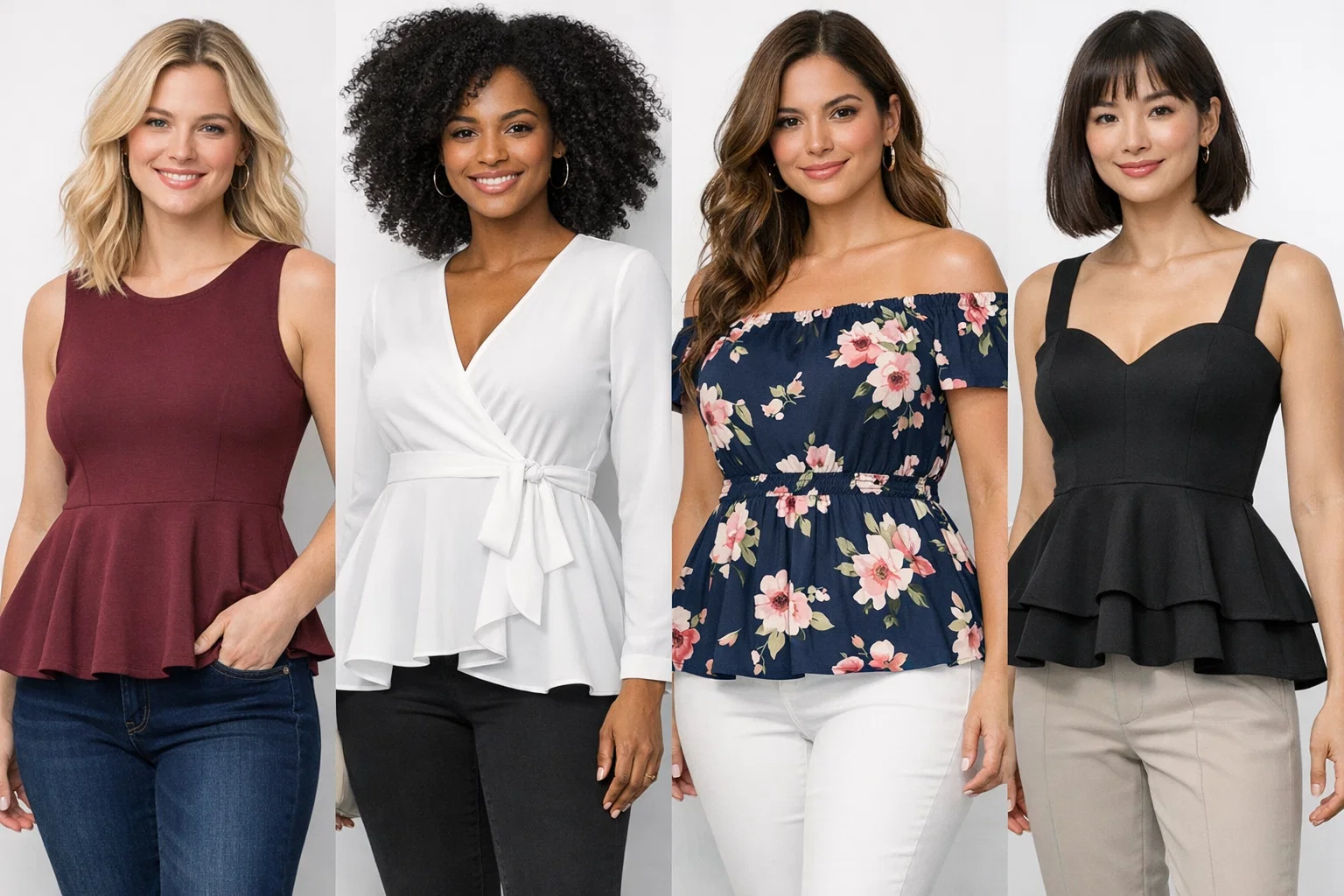
A good blouse can change the mood of an outfit before you add a jacket, belt, or heel. That is why wrap blouses keep earning space in American closets: they shape the waist without the stiff feel of darts, boning, or heavy seams. You get polish, movement, and a cleaner line in one piece, which matters when your day moves from school drop-off to office meetings to dinner downtown. The best part is the ease. A soft tie, angled neckline, and overlapping front can make ordinary jeans, trousers, or skirts look more intentional within seconds. Fashion does not always need more structure to look sharper. Sometimes it needs smarter fabric placement. For women building a practical wardrobe, this is where modern style guidance earns its place. The right blouse does not fight your body. It works with it, gives shape where you want it, and lets the rest of the outfit breathe.
Why Soft Waist Definition Feels More Modern Than Stiff Tailoring
Structured tailoring still has its place, but daily style in the U.S. has moved toward clothing that looks finished without feeling formal. A fitted blazer may look sharp at 9 a.m., yet feel restrictive by lunch. Soft waist definition solves that tension because it gives the body shape without forcing a boardroom silhouette onto every setting.
The Shape Comes From Movement, Not Pressure
A traditional tailored shirt depends on seams, darts, and stiff fabric to hold its shape. That can look crisp, but it can also feel unforgiving after sitting, driving, or moving through a packed day. A wrap-style blouse works differently. The diagonal front draws the eye inward, while the tie lets you control how close the fabric sits.
This is why waist defining tops feel more wearable than older fitted shirts. You are not locked into one shape all day. You can tie the blouse tighter for a tucked office look or leave it softer with denim on a Saturday coffee run.
The hidden advantage is comfort that still looks intentional. A woman wearing black ankle pants and a cream blouse to a Chicago client meeting does not need shoulder pads or a cinched blazer to look pulled together. The waistline already gives enough direction.
Soft Structure Looks Better Across Real Body Changes
Bodies shift during the day. Bloating, posture, heat, travel, and even lunch can change how clothing feels. Hard tailoring does not forgive those shifts. It exposes them. A softer blouse gives you a cleaner line without making your body feel like it failed the garment.
This matters for women who want office casual blouses that can survive real life. A wrap front can sit neatly under a cardigan in the morning, then stand alone later without looking wrinkled or tired. That kind of flexibility is not a small detail.
The counterintuitive point is simple: less structure can look more expensive when the fit is right. A blouse that moves with you often reads cleaner than a stiff shirt pulling across the bust or gaping at the buttons.
How Fabric Choice Decides Whether the Waist Looks Effortless
Fabric is where many good outfit ideas fall apart. The same cut can look elegant in one material and messy in another. A blouse that shapes the waist needs enough drape to fall cleanly, but enough weight to avoid clinging in the wrong places.
Drape Should Skim Instead of Collapse
A light blouse can feel airy, but fabric that is too thin may collapse around the tie and make the waist look fussy. The goal is a skim, not a cling. Rayon blends, crepe, satin-backed fabrics, and softer cotton blends often handle this balance well.
Feminine blouse styles work best when the fabric has a little movement. That movement lets the diagonal line travel across the body smoothly. If the fabric is too stiff, the overlap can stand away from the torso and create bulk instead of shape.
A practical example helps. For a warm Los Angeles workday, a soft crepe blouse with wide-leg trousers can feel polished without overheating. The outfit has shape, but it does not depend on heavy layers.
Matte Fabrics Often Look More Refined Than Shiny Ones
Shine can make a blouse feel dressy, but it can also highlight every fold near the tie. Matte fabrics are quieter. They let the cut do the work instead of pulling attention to every ripple of fabric.
Soft tailoring outfits often benefit from this quieter texture. A navy matte blouse with gray trousers can look more expensive than a glossy blouse that catches light across the bust and waist. The difference is subtle, but people notice the result even if they cannot name the reason.
The unexpected truth is that the “special occasion” fabric is not always the most flattering one. For daily wear, a fabric with a soft hand and low shine often gives a cleaner waist than something that looks fancy on the hanger.
Pairing the Blouse With Bottoms That Respect the Waistline
A blouse can create shape, but the wrong bottom can erase it fast. Low-rise jeans, bulky waistbands, or heavy pleats can fight the tie and crowd the middle. The strongest outfits give the blouse room to define the waist without adding clutter around it.
High-Rise Bottoms Keep the Proportion Clean
High-rise jeans, trousers, and skirts usually work best because they meet the blouse where the shape already starts. The tie lands near the natural waist, and the bottom continues that line instead of cutting across it awkwardly.
This is why waist defining tops pair so well with straight-leg denim. The top brings softness, while the jeans keep the outfit grounded. Add loafers or low block heels, and the result feels right for a casual Friday in Dallas, Atlanta, or Denver.
The main mistake is choosing bottoms with too much detail near the waist. Paper-bag trousers, thick belts, and oversized front pockets can make the middle look busy. The blouse is already doing the shaping. Let it lead.
Skirts Can Shift the Mood Without Changing the Formula
A midi skirt gives the blouse a softer, more romantic direction. A pencil skirt makes it sharper. A denim skirt makes it casual. The formula stays simple because the waistline already connects the top and bottom.
Office casual blouses gain mileage here. One printed blouse can work with tailored trousers on Monday, a black midi skirt for dinner, and dark jeans for a weekend event. That range matters when you want fewer pieces doing more work.
A grounded example: a woman in Boston could wear a burgundy blouse with a charcoal pencil skirt for work, then switch to cream jeans for a gallery opening. The blouse stays the anchor, but the outfit changes mood with almost no effort.
Styling Details That Make the Look Feel Current
The difference between stylish and dated often sits in small choices. Sleeve shape, neckline depth, jewelry scale, and shoe weight all affect how the blouse reads. A good wrap-style top should feel current, not like office wear from ten years ago.
Sleeves Change the Whole Attitude
Sleeves with a slight puff, gathered cuff, or relaxed volume can make the blouse feel fresh. The key is balance. If the waist is shaped, the sleeve can carry a little ease without making the outfit look oversized.
Feminine blouse styles do not have to feel sweet or overly delicate. Pair a soft sleeve with dark denim and pointed flats, and the look becomes clean rather than precious. Add small hoops or a slim watch, and the outfit feels adult without trying too hard.
A strong sleeve also helps women who prefer less attention at the waist. The eye moves across the whole outfit, not only to the tie. That balance can make the shape feel more natural.
Neckline Control Matters More Than People Think
The neckline is not a minor detail. A neckline that sits too low can make the blouse feel fussy for work. One that sits too high may lose the easy line that makes the style flattering. The best version lands in the middle: open enough to lengthen the neck, secure enough for movement.
Soft tailoring outfits often depend on this kind of restraint. A small pendant, clean neckline, and smooth front can look stronger than a stack of accessories. The blouse already has design interest, so the styling should not compete with it.
The quiet trick is fashion tape or a hidden snap when needed. That tiny fix can turn a blouse from “almost wearable” into a reliable piece you reach for weekly.
Conclusion
Great style is often less about adding more and more about choosing pieces that solve problems without announcing the effort. A blouse that shapes the waist through cut, fabric, and tie placement can do more for your wardrobe than another stiff shirt that only works under a blazer. The smartest move is to test the blouse with the bottoms you already wear most. Try it with your favorite jeans, your best work trousers, and the skirt you keep saving for the right moment. If it works across all three, it deserves closet space. Wrap blouses are not a trend that depends on one body type or one dress code. They are a practical answer to a common style problem: how to look shaped, polished, and comfortable at the same time. Start with one in a fabric that drapes well, then build outfits around the waistline it creates. The right piece will not make you feel dressed up. It will make you feel finished.
Frequently Asked Questions
What body types look best in waist defining wrap-style tops?
Most body types can wear them well because the tie lets you adjust the fit. They work especially well when you want to define the middle, balance a fuller bust, or add shape to straight-leg jeans and trousers without using a belt.
How should a wrap blouse fit around the bust?
The front should sit flat without pulling, gaping, or sliding open when you move. If the neckline feels insecure, size up or choose a version with an inner snap. A smooth bust fit makes the whole blouse look more expensive.
Can you wear soft tailoring outfits to a formal office?
Yes, if the fabric, color, and styling feel polished. Choose matte fabric, neutral shades, clean trousers, and closed-toe shoes. Avoid flimsy fabrics or deep necklines in conservative workplaces, since those details can make the outfit feel too casual.
What pants look best with waist defining tops?
High-rise straight-leg jeans, tailored trousers, slim ankle pants, and wide-leg pants all work well. The cleanest look comes from bottoms that sit near the natural waist and avoid heavy pleats, bulky belts, or oversized pockets.
Are feminine blouse styles still modern for workwear?
They can feel modern when styled with restraint. Pair soft sleeves, ties, or draped fronts with structured bottoms, simple jewelry, and grounded shoes. The contrast keeps the outfit polished instead of overly sweet or dated.
How do you stop a wrap blouse from opening during the day?
A hidden snap, small safety pin, or fashion tape can secure the neckline without changing the look. You can also wear a thin camisole underneath for extra coverage, especially for work, travel, or long days with lots of movement.
What shoes should you wear with office casual blouses?
Loafers, pointed flats, block heels, sleek ankle boots, and low slingbacks all work well. The best shoe depends on the bottom. Trousers usually need a cleaner shoe, while jeans can handle something more relaxed.
Can a wrap-style blouse work for casual weekend outfits?
Yes, and it often looks better than a basic tee when you want casual polish. Wear it with straight jeans, relaxed trousers, or a denim skirt. Keep accessories simple so the blouse feels easy rather than overstyled.