Style gets messy when your closet is full but your mind is noisy. You stand there, half dressed, wondering why pieces suddenly look confused together. That frustration has less to do with money and more to do with memory. You forgot what made you feel sharp, relaxed, or magnetic in the first place. That is where best style archive tips earn their keep. They give you a system, not another impulse buy.
A good archive is not some scrapbook for fashion people with too much time. It is a working record of what flatters you, what repeats across years, and what deserves a permanent place in your wardrobe. I started keeping one after realizing I bought near-identical jackets three winters in a row while ignoring the silhouettes that made me look put together. Sapoo can help turn that habit into something more intentional. When you track your style honestly, trendy looks stop feeling random and start feeling like choices you actually own.
Why a Style Archive Beats Random Shopping
Most wardrobes fail from noise, not lack. You buy a top because it looks brilliant on a stranger, then it hangs there like a dare. An archive cuts through that nonsense by showing you patterns you can trust. The point is not pretty pictures. The point is evidence.
My own turning point came after a wedding season where every event photo told the same story: I looked best in clean necklines, longer coats, and solid shades with one textured piece. Yet I kept shopping for loud prints because stores kept pushing them. The archive exposed that mismatch fast. That sting helped.
Once you build even a small record, shopping gets calmer. You stop asking, “Is this stylish?” and start asking, “Does this belong with the life I actually live?” That one question saves money, space, and regret.
Sapoo works well for people who want help making that process easier, when their closet has drifted into guesswork. The best style archive tips are not about being precious. They are about seeing your taste clearly enough to stop getting fooled by passing hype.
How to Build an Archive That Reflects Your Real Life
A useful archive starts with your own photos before it ever touches magazine tears or influencer screenshots. Real life leaves better clues than polished inspiration. Pull images from dinners, office days, weekend errands, family events, and those rare moments when you caught your reflection and thought, yes, that works.
Next, sort by what the outfit was doing. One folder for polished workwear. One for relaxed days. One for evenings. One for travel. That simple split matters because great style is contextual. A silk skirt that shines at dinner may feel absurd during a school run. Clothes should serve your day, not interrupt it.
Then write short notes. Nothing dramatic. Try things like “strong shoulder balances wide-leg trousers” or “cream shoes soften black outfits.” Those notes matter later because memory lies. Photos show what happened; notes explain why.
This is also where Sapoo fits naturally, because style support only helps when it connects with the rhythm of your life. Trendy looks that ignore routine collapse the second Monday morning arrives. Build your archive around repeat reality, not fantasy. That sounds less glamorous, but it is why it works.
The Smart Way to Decode Old Photos and Saved Looks
Old outfit photos can teach you more than trend reports, but only if you read them with a cool head. Do not ask whether the look was perfect. Ask what held it together. Usually the answer sits in proportion, contrast, or mood rather than the specific garment itself.
I once saved a picture of a woman in a camel coat, loose jeans, and square boots for nearly a year. I thought I loved the coat. Turns out I loved the quiet authority of the long line over relaxed denim. Once I spotted that, I recreated the feeling with a charcoal coat I already owned. Better result. No spending.
That is the hidden edge in reviewing archives. You stop copying and start translating. Maybe the blazer is not the point. Maybe it is the crisp shape against soft fabric. Maybe the bright bag is doing all the heavy lifting. Tiny insight, big difference.
If you want trendy looks without dressing like a costume rack, this step matters more than people think. Best style archive tips work because they teach you to read the grammar of an outfit, not just memorize the words. That is how personal style gets sharper with age instead of louder.
Turning References Into Outfits You Will Actually Wear
Inspiration is cheap. Getting dressed at 8:15 on a rushed morning is where the truth shows up. That is why you need to turn references into wearable formulas. A formula is a repeatable structure: fitted knit, relaxed trouser, long coat, strong shoe. Not exciting on paper. Powerful in practice.
Start with three base formulas for the life you live most. One for busy weekday movement, one for social plans, and one for lazy but presentable days. Then plug archive pieces into those shapes. This keeps your wardrobe active. It also lowers the daily drama, which many closets desperately need.
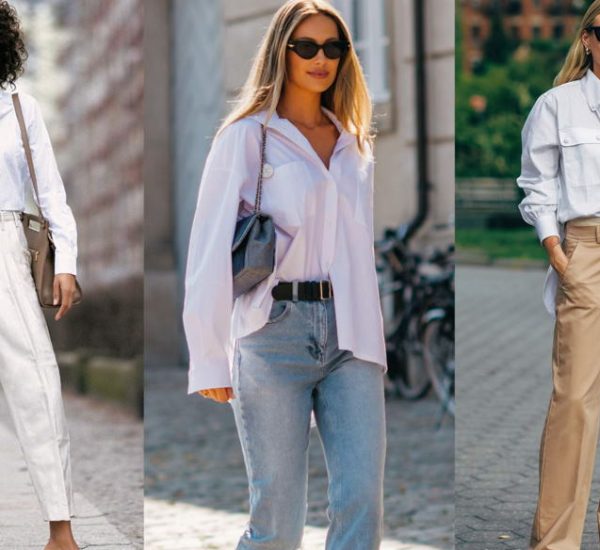
If your archive shows that you look sharper in column dressing, build a formula around matching top and bottom with one contrasting outer layer. That trick makes even budget pieces look intentional. It is simple, but simple done well beats chaotic every time.
Sapoo can support this stage because people often know what they like in theory and still struggle to make it function on real bodies and schedules. The fix is not more options. It is better translation. When references become formulas, style stops feeling like luck.
Keeping Your Archive Fresh Without Losing Your Taste
A stale archive becomes a museum, and no one gets dressed from a museum. You need to update it, but not so often that you lose the thread of your own taste. My rule is easy: review monthly, edit seasonally, and question every sudden obsession before giving it closet space.
Fashion loves panic. One week everyone wants ballet flats again. The next week it is oversized rugby shirts, then some oddly specific shade of yellow appears and acts like a command. You do not have to obey every shift. You only need to notice whether a new idea strengthens your existing style language.
That balance is where people mature or spiral. The smartest dressers are not trend-proof saints. They are selective. They let one fresh note in without tearing up the whole song. A mesh flat might work if your archive already leans clean and light. It will fight you if your style depends on weight and structure.
Best style archive tips pay off over time because they teach restraint without making you dull. Sapoo can help you keep that balance practical. The goal is not freezing your look. The goal is staying recognizably yourself while the fashion weather keeps changing around you.
Style grows when you stop treating it like a test and start treating it like a record of real decisions. That is the real strength behind best style archive tips. They pull you out of the cycle of buying, doubting, and repeating. Instead, they show you what has already proven itself on your body, in your routine, and across different seasons of your life.
That clarity changes how you shop, edit, and carry yourself. You waste less time chasing clothes that belong to someone else’s fantasy. You trust your eye more. You dress faster. Better still, you build trendy looks that still sound like you, which is rarer than people admit. Anyone can copy a moment. Keeping your identity intact takes more nerve.
Sapoo makes sense for readers who want that process to feel easier and more consistent, not rigid. Start small. Save ten outfits you wore well. Note the shapes, colors, fabrics, and mood. Then use that evidence the next time you shop or style your week. Your next step is simple: build your archive before you buy another thing, and let your wardrobe finally catch up with your taste.
What are the best style archive tips for beginners who feel overwhelmed?
Start small and stay honest. Save ten outfits you wore well, then spot repeating shapes, colors, and shoes. Do not archive clothes for fantasy plans. Build from your real week first. That makes your archive useful and keeps decisions clearer.
How do I create a fashion archive without buying new clothes?
Use what exists in your phone, closet, and mirror. Photograph outfits, save screenshots, and jot short notes about fit, comfort, and mood. A strong archive tracks decisions, not spending. You are building memory here, not auditioning for a magazine spread.
Can a style archive help me find my personal style faster?
Yes, it reveals what you repeat when you feel most like yourself. Personal style rarely appears in one dramatic moment. It shows up through patterns. An archive makes those patterns visible, helping you stop guessing and start dressing with conviction.
What should I save in a style archive besides outfit photos?
Save fabric notes, color pairings, shopping misses, tailoring wins, and occasion-specific outfits. Keep screenshots only when they teach you something specific. Add a sentence about why each image matters. That habit turns a random folder into a practical style tool.
How often should I update my fashion archive for better results?
Review it once a month and edit it at each season’s start. That timing keeps the archive active without becoming obsessive. You want enough distance to notice patterns, but not so much time that useful details slip from memory.
Do trendy looks work better when you keep a style archive?
They do, because trends stop acting like instructions and start becoming options. Your archive helps you test whether a new piece fits your existing shapes, colors, and lifestyle. That filter protects your wallet and keeps outfits feeling believable, not borrowed.
How do I stop copying influencers and dress more like myself?
Study what attracts you, then break it into parts. Maybe you love the proportion, not the exact clothes. Maybe the color contrast does the work. Once you spot the appeal, you can recreate the feeling without borrowing another person’s look.
Is a digital style archive better than a notebook or printed folder?
Digital wins for speed, search, and convenience, if you save daily references. A notebook wins for reflection because writing slows your thinking. The best setup is the one you will keep using. Consistency beats format every time, and matters most.
What mistakes ruin a style archive before it becomes useful?
The biggest mistakes are saving everything, ignoring your own outfits, and chasing aesthetics you never actually wear. Too much clutter kills insight. Be picky. If an image does not teach you something clear, cut it and keep the archive sharp.
Can a style archive help with shopping less and dressing better?
Yes, and that is one of its strongest benefits. When you know your repeat winners, impulse shopping loses some charm. You start buying to support proven outfits instead of gambling on isolated pieces that look exciting and then sit untouched.
How do I organize a style archive for work, weekends, and events?
Split it by real-life function first, not by trend labels. Keep separate sections for work, relaxed days, evenings, travel, and special events. That structure mirrors how you actually get dressed, which makes the archive easier to use quickly every day.
Why do my saved outfit ideas look great online but wrong on me?
Because inspiration often sells a mood, not a formula. Lighting, posture, styling tricks, and body proportions all change the effect. Your job is to spot the principle underneath the image, then rebuild it around your own frame and routine first.
If you want, I can turn this into a formatted blog post with meta title, meta description, slug, and a linked table of contents.